RCS

Latest posts in RCS

Why RCS Matters More Than Ever in 2026

Why RCS Matters More Than Ever in 2026

January 29, 20263 min read

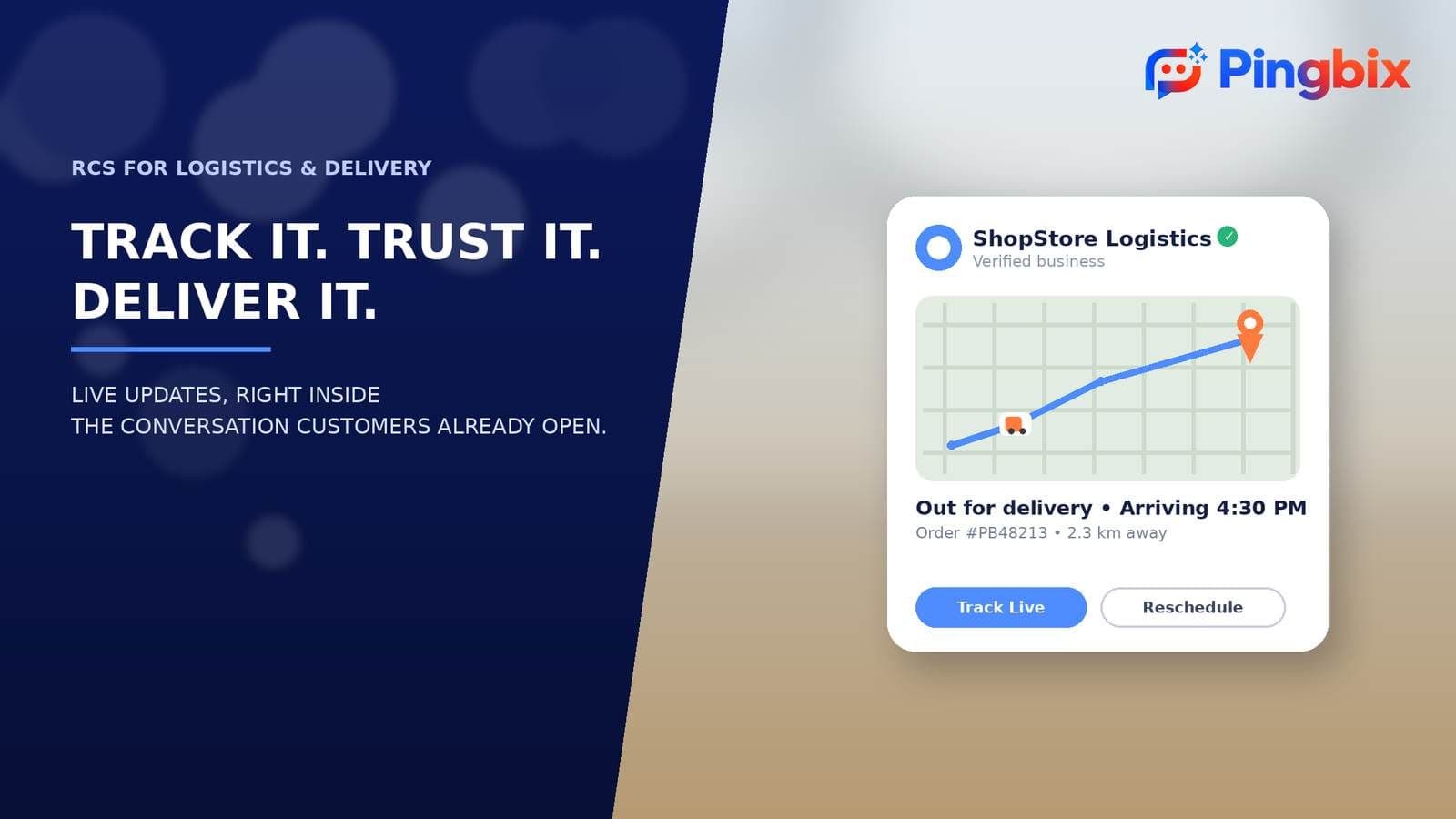
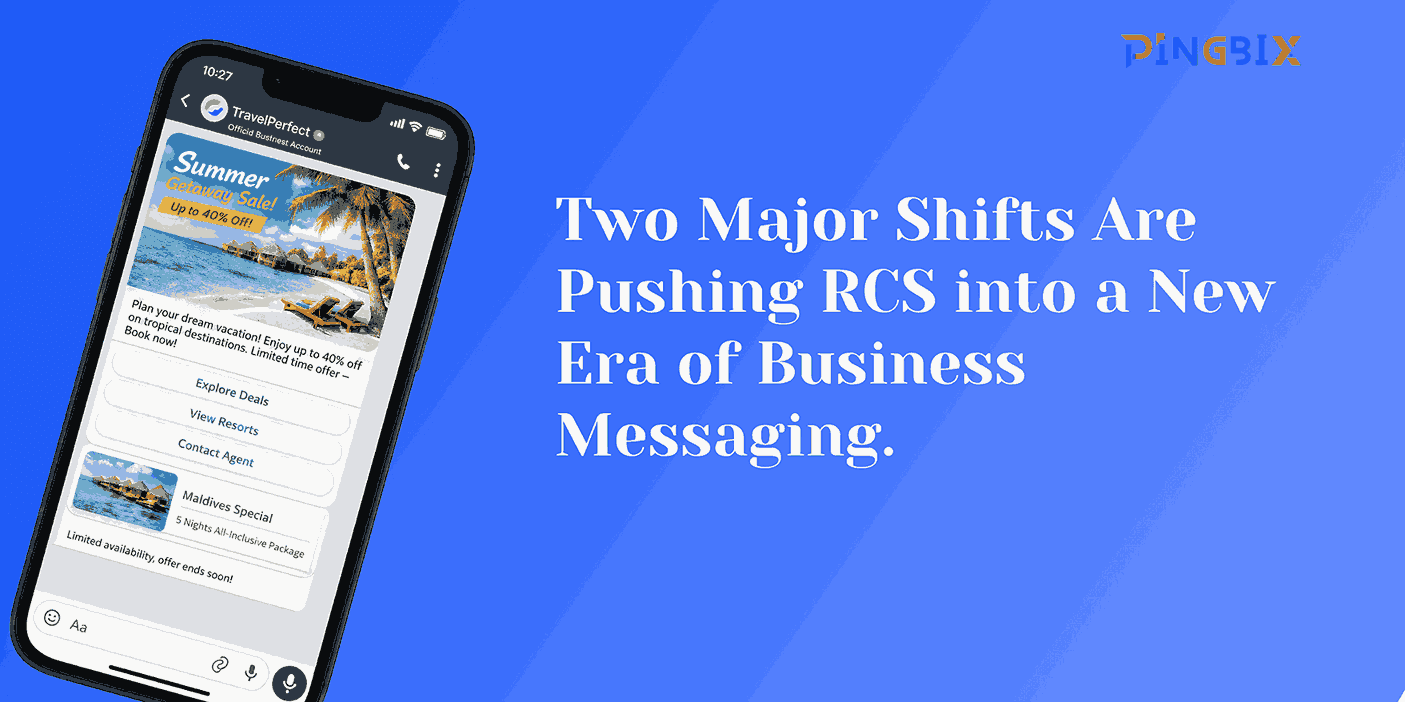
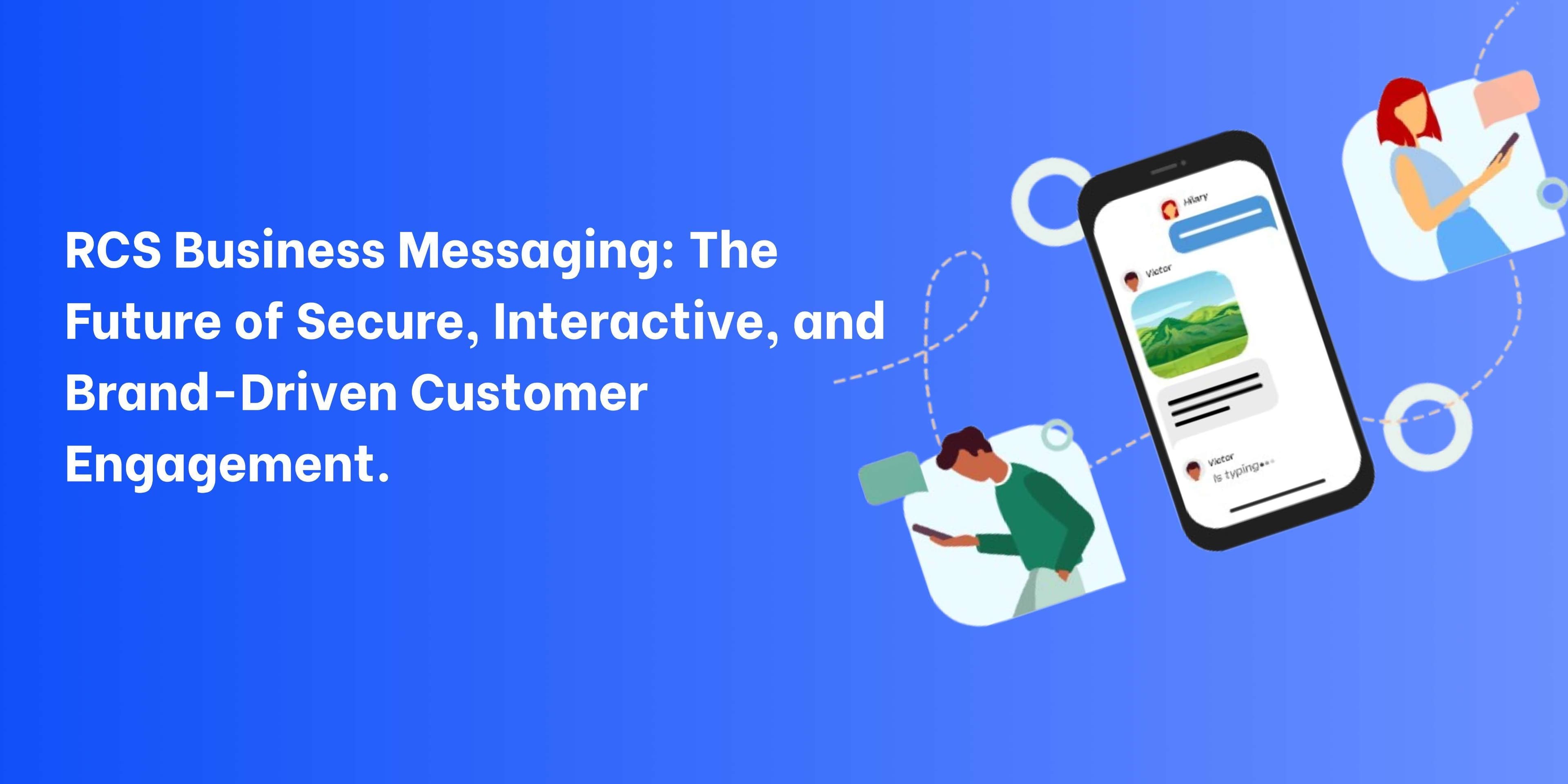
Business messaging is evolving rapidly, and 2026 is shaping up to be a defining year for Rich Communication Services (RCS). What was once seen as an Android-only upgrade to SMS is now becoming a mainstream, enterprise-ready messaging channel. Two major developments are accelerating this shift: Apple’s rollout of RCS support on iOS and the growing global adoption of RCS by carriers, device manufacturers, and enterprises. Together, these changes are positioning RCS as a critical channel for secure, interactive, and scalable business communication. ## Apple’s RCS Support Is a Turning Point For years, one of the biggest limitations of RCS was its uneven experience across devices. Android users benefited from rich messaging features, while iPhone users were restricted to basic SMS. This gap created inconsistency for businesses trying to run unified messaging campaigns. With Apple introducing RCS support in iOS 18 (2024), that long-standing divide is finally closing. Businesses can now deliver [richer RCS messaging experiences](https://blog.pingbix.com/posts/what-is-rcs-messaging-and-how-can-it-boost-brand-engagement) across both Android and iPhone devices, creating a more consistent customer journey. This shift makes RCS far more stable and scalable for brands. Messages can include branded visuals, suggested replies, rich cards, and interactive buttons, regardless of the user’s device. As Apple adoption grows, RCS becomes a truly cross-platform business messaging channel rather than a fragmented one. ### Global Adoption Is Accelerating Rapidly Beyond Apple’s move, global adoption of RCS is growing at an enterprise level. Mobile carriers, OEMs, and messaging platforms are actively investing in RCS infrastructure and support. More businesses are choosing RCS as the next generation of business messaging because it offers a significant upgrade over [traditional SMS](https://blog.pingbix.com/posts/rcs-vs-sms-how-are-they-different). RCS enables secure communication, verified sender identities, interactive message formats, and measurable engagement metrics. These capabilities are especially valuable for industries like banking, retail, travel, logistics, and telecom, where trust and clarity are critical. Instead of relying only on plain text SMS, enterprises are now using RCS to run branded, conversational customer interactions at scale. ### Why RCS Is Replacing SMS for Business Use Cases SMS still plays an important role, but it has clear limitations. It lacks branding, interactivity, and real engagement tracking. RCS addresses these gaps directly. With RCS business messaging, brands can deliver richer content, guide users through actions, and track performance in real time. This makes it ideal for use cases such as transactional updates, service alerts, appointment reminders, promotions, and customer support interactions. As customer expectations rise, businesses need messaging channels that feel modern, trustworthy, and interactive. RCS meets those expectations far better than SMS alone. ### What This Means for Businesses in 2026 By 2026, RCS will no longer be an emerging channel. It will be a core part of enterprise communication strategies. Businesses that adopt RCS early will benefit from better engagement, stronger brand trust, and more meaningful customer interactions. As more devices [support RCS](https://blog.pingbix.com/posts/build-brand-trust-with-rcs-business-messaging-in-2025) and more carriers enable it globally, brands that continue to rely only on SMS risk falling behind. RCS offers a future-ready path for businesses that want to scale conversations without compromising on experience or security. #### Conclusion RCS matters more than ever in 2026 because it combines the reliability of SMS with the richness of modern messaging. Apple’s RCS support and global enterprise adoption are turning RCS into a stable, scalable, and measurable business messaging channel. For brands looking to future-proof their communication strategy, RCS is no longer optional. It is becoming the foundation of next-generation business messaging.

RCS vs SMS in 2025: Why Enterprises are Reallocating Budgets to Rich, Encrypted, Branded Messaging.

RCS vs SMS in 2025: Why Enterprises are Reallocating Budgets to Rich, Encrypted, Branded Messaging.

December 29, 20253 min read

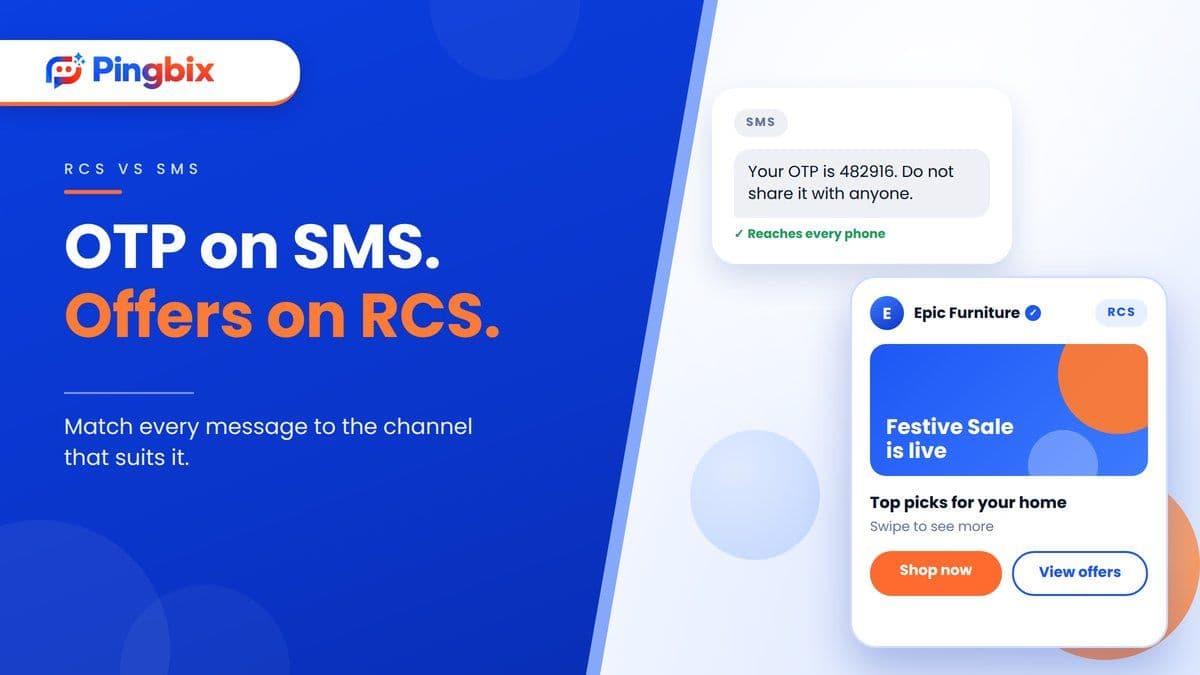
### **HEADLINE** **The SMS Era Is Closing. Here's Why 50% of Enterprises Are Shifting to RCS - And Why Your Business Can't Afford to Wait.** For 30 years, SMS reigned as the king of mobile communication. But in 2025, that dominion is ending. As Apple completes its RCS rollout, GSMA standardizes end-to-end encryption, and telecom giants like Airtel embrace the standard, enterprises are experiencing an unprecedented shift:** RCS adoption is outpacing SMS growth by 40%, and early adopters are seeing 1,633% ROI increases.** What does this mean for your brand? It's time to stop thinking of RCS as "the future" - it's the present. ## **THE SHIFT: FROM SMS TO RCS** **Why Enterprises Are Moving** **The Numbers Don't Lie:** - **Open Rates: ** Both SMS and RCS achieve 98% open rates - but RCS recipients actually engage with messages - **Engagement Lift:** RCS shows 30–50% higher click-through rates and 35% more conversions than SMS - **Customer Preference:** 95% of customers prefer RCS experiences over SMS; 60% said it makes them shop more often - **Business Impact:** Campaigns migrating to RCS report up to 1,633% return on investment But here's the real story: **SMS is dying not because it's old, but because it's silent.** SMS works brilliantly for authentication codes and delivery alerts. But for marketing, customer engagement, and commerce, SMS is a one-way megaphone. RCS turns that megaphone into a conversation. ## **What's Changed in 2025?** **1. Apple Finally Embraced RCS (Partially)** By Q4 2024–Q1 2025, Apple rolled out RCS support to iOS devices globally. This single move unified Android and iPhone users on a single rich messaging standard for the first time. _Impact:_ Brands can now reach 100% of smartphone users - not just the Android 70% - with interactive, brand-verified messaging. **2. End-to-End Encryption is Here (Sort Of)** The GSMA released RCS Universal Profile 3.0 with support for Messaging Layer Security (MLS)–based end-to-end encryption. Both Google and Apple have committed to rolling this out. _Why This Matters:_ For the first time, RCS will be "the first large-scale messaging service to support interoperable E2EE between different providers." That's a privacy guarantee - and a trust signal - that SMS never had. **3. India Became the RCS Battleground** Airtel partnered with Google in December 2025 to roll out RCS at ₹0.11 per message (80:20 revenue split with Google). With Jio, Vodafone, and now Airtel on board, India is positioned to send 30% of global RCS business messages by 2025. _What This Reveals:_ Telecom operators are treating RCS as their post-SMS cash cow—and they're prioritizing it as a tier-1 channel. ### **RCS VS SMS: THE BUSINESS CASE** #### **Feature Comparison** **SMS** - Character limit: 160 characters - Media support: Text only - Branding: Plain phone number - Interactivity: Basic replies only - Read receipts: Not available - Typing indicators: No - Encryption: Transit-only - Device support: Universal (works on all phones) **RCS** - Character limit: Up to 250,000 characters - Media support: Images, videos, interactive carousels (up to 10 MB) - Branding: Verified business profile with logo, brand color, and checkmark - Interactivity: Suggested replies, buttons, carousels, payment buttons, deep links - Read receipts: Yes, with timestamps - Typing indicators: Yes - Encryption: End-to-end (coming in UP 3.0) - Device support: Android + iOS 26+ (with carrier support) - Fallback: Automatically falls back to SMS if data is unavailable #### **Real-World Performance** **Engagement Case Studies (2024–2025):** - **Macif (Insurance, France):** 100% increase in click-through rates using RCS two-way conversations - **Picard (Food Retail, France):** 42% increase in engagement + 10% more website clicks vs. Rich SMS - **EasyPark (Digital Parking):** Real-time alerts with branding and verified checkmarks drive higher trust and compliance - **Shrewsbury College (UK Education):** Enrollment messaging via RCS reduced response friction, boosting engagement and reducing administrative burden ### **THE MONEY: RCS ROI & MARKET GROWTH** #### **Market Expansion** - **Market Size: ** £1.8 billion (2024) → £8.7 billion (2029) = 370% growth in 5 years - **User Base:** 1.5+ billion monthly active users as of 2025; projected 3.9 billion by 2026 - **Adoption Velocity:** 40% year-on-year growth in business messaging adoption (Q1 2024–Q1 2025) #### **ROI per Campaign** - **Conversion Rate:** Up to 50% (vs. 2–4% for email, 3% for SMS) - **Campaign ROI:** +1,633% vs. traditional messaging - **Cost Per Acquisition:** 30–50% lower than SMS, given higher conversion rates - **Customer Lifetime Value:** 3–5x higher for customers acquired via RCS (due to engagement velocity) When to Budget-Shift: A Three-Tier Model - **Tier 1 – Critical:** OTPs & fraud alerts → SMS - **Tier 2 – Important:** Updates & reminders → RCS with SMS fallback - **Tier 3 – Engagement:** Promotions & support → RCS ###**THE TECHNICAL SHIFT: ENCRYPTION & TRUST** ####**What's Coming in 2025–2026** **Q1 2025: GSMA Universal Profile 3.0 (E2EE Standard)** - Messaging Layer Security (MLS) protocol now part of the RCS spec - Both Apple and Google have committed to rolling out support - Interoperable encryption between Android and iPhone - a first for large-scale messaging **Q2–Q4 2025: Apple iOS 26 RCS Rollouts** - Broader device support and feature parity across platforms - Improved inbox filtering (spam protection) - Support for RCS Business Messaging (A2P) expansion **2026 Outlook: Fragmented But Dominant** - 90+ operator deployments globally - Full E2EE across platforms (pending iOS 26 final releases) - RCS becomes the de facto standard for business messaging in developed markets #### **Security: Why RCS is Better than SMS** - **Verified sender:** RCS shows a verified business profile - **Stronger protection:** Enhanced security with encryption support - **Lower spam risk:** Verified brands + carrier filtering - **Higher trust:** Branded, authenticated messages customers trust **Bottom Line:** RCS is designed for trust. SMS is designed for reach. In 2025, trust is reach. ### **THE INDIA STORY: A CASE STUDY IN EMERGING MARKETS** #### **What Happened (December 2025)** Airtel, after resisting RCS for over a year, finally partnered with Google. The deal: - Price: ₹0.11 per message - Revenue Split: 80% Google, 20% Airtel - Launch: Q4 2025–Q1 2026 rollout #### **Why This Matters** - **Competitive Pressure: **Jio and Vodafone Idea were already live with RCS. Airtel couldn't afford to sit out. - **SMS Replacement Positioning:** Indian enterprises are treating RCS as the post-SMS standard for A2P business messaging. - **Spam Controls:** Airtel insisted on integrating its own AI spam filter before launch—a signal that quality and trust are competitive advantages. - **Global Implications:** India + China are expected to generate 30% of global RCS business messages by 2025. That's where the growth is. ####**Enterprise Implication for India-Focused Businesses** If you operate in India or serve Indian enterprises: - Plan for RCS in 2026 budgets - Airtel customers will have RCS-capable devices within 6 months - A2P pricing will stabilize around ₹0.10–0.15/message (vs. ₹0.05–0.08 for SMS) - Higher ROI justifies slightly higher per-message costs ### **THE STRATEGIC PLAYBOOK: HOW TO MIGRATE FROM SMS TO RCS** **Phase 1: Assessment (Now – Q1 2026)** - **Audit Current SMS Usage:** Categorize campaigns by type (OTP, transactional, promotional, engagement) - **Identify RCS-Ready Segments:** High-value customers, frequent engagers, commerce-driven use cases - **Evaluate Platform Support:** Check carrier and device support in your key markets **Phase 2: Pilot (Q1–Q2 2026)** - **Launch RCS Campaigns:** Start with high-engagement segments (loyalty, customer support, e-commerce upsells) - **A/B Test:** RCS vs. SMS on identical audiences to measure conversion lift - **Measure Metrics:** CTR, conversion rate, customer sentiment, cost per acquisition - **Document Learnings:** What formats, send times, and message types drive RCS engagement? **Phase 3: Scale (Q2–Q3 2026)** - **Expand RCS Coverage:** Migrate high-ROI campaigns to RCS; keep SMS as fallback for non-RCS devices - **Develop Rich Experiences:** Carousels, suggested replies, interactive buttons - not just text migration - **Integrate CRM:** Tie RCS engagement back to customer profiles, journey orchestration, and predictive analytics **Phase 4: Optimize (Q3–Q4 2026 Onward)** - **Omnichannel Orchestration:** Use RCS as a hub for conversational engagement; connect to email, push, in-app - **Personalization at Scale:** Leverage read receipts, interaction data, and customer behavior to refine messaging - **Budget Reallocation:** Shift SMS spend to RCS, but maintain SMS for non-negotiable use cases (OTP, alerts) ### **BUDGET REALLOCATION: THE NUMBERS** #### **Current State (2025)** - **Average enterprise SMS spend:** $500K–$2M annually - **60% of volume:** Promotional/engagement (low ROI, declining open rates) - **40% of volume:** Transactional/alerts (high ROI, must-have) #### **Recommended Shift (2026)** - **OTP & Authentication:** Keep on SMS for universal delivery - **Transactional alerts:** Mostly RCS, with SMS as backup - **Retention & loyalty:** Shift heavily to RCS for better engagement -** Promotions & sales:** Go almost fully RCS for higher conversions #### **Expected Impact** - **Campaign ROI Increase:** 30–50% (from higher CTR, conversion rates) - **Cost Per Message: **+20–30% (but offset by higher conversion) - **Cost Per Acquisition:** -40–50% (due to volume of conversions) - **Customer Lifetime Value:** +200–300% (higher engagement = stronger retention) ### **THE COMPETITIVE THREAT: WHO'S ALREADY WINNING?** #### **Early RCS Adopters (2024–2025)** **Enterprises Leading the Shift:** - Pizza Hut, Express, McDonald's (Retail & QSR) - Caesars Entertainment, Best Buy (Hospitality & Discretionary) - Vodafone, Deutsche Telekom, EE (Telecom) - Pharmacy2U, Shrewsbury College (Healthcare & Education) **What They're Doing Right:** - Pilot campaigns before full migration - Using RCS for high-engagement moments (support, upsell, personalization) - Leveraging carousels and interactive buttons to reduce friction - Measuring E2E conversion impact, not just opens **Result:** 3–5x engagement lift vs. SMS; measurable ROI improvement; competitive edge in customer perception. #### **Laggards (Still SMS-Only)** - Traditional CPaaS platforms (slower to innovate) - Regulated industries (healthcare, finance) still validating RCS compliance - Enterprises with legacy systems (slow integration timelines) **Risk:** Losing customers to competitors with richer, faster, more engaging communication. ### **WHAT ABOUT WHATSAPP BUSINESS & OTHER OTT?** #### **RCS vs. OTT: The Tradeoffs** -** Reach:** WhatsApp is larger today; RCS is growing fast - **Trust:** Both offer verified business identities - **User effort:** RCS works natively; OTT apps must be downloaded - **Control & risk:** RCS is telco-controlled; OTT depends on third-party platforms - **Cost:** RCS is closer to SMS pricing; OTT is relatively higher - **Compliance:** RCS is easier due to carrier-level regulation #### **Strategic Recommendation** **Don't Choose One; Use Both (Omnichannel)** - - **RCS for Engagement & Conversion:** Rich media, interactive commerce, high-touch campaigns - **WhatsApp for High-Intent Conversations:** Direct support, Q&A, customer service escalation - **SMS for Universality:** OTP, alerts, reach-all fallback ### **THE NEXT 12 MONTHS: WHAT TO WATCH** **Q1 2026** - Apple's broader RCS Business Messaging (A2P) rollout - Airtel RCS public launch in India - GSMA finalization of UP 3.0 implementation roadmap **Q2 2026** - First enterprise migration wave reports (ROI data, lessons learned) - Regional carrier launches (Africa, Southeast Asia, Latin America) - CPaaS platforms' RCS integration announcements **Q3 2026** - iOS 26 final releases with E2EE support (or beta extensions) - Market consolidation: Which platforms win the RCS infrastructure game? **Q4 2026 & Beyond** - E2EE interop between Android and iPhone becomes standard - RCS market value projected to reach $6B+ in North America alone - Budget reallocation peaks: 60–70% of enterprise messaging spend shifts to RCS #### **FINAL THOUGHT: THE COST OF WAITING** **SMS will not disappear.** But it will become what fax is today: essential for compliance, invisible for strategy. Enterprises that wait until 2027 to adopt RCS will face: - **Competitive disadvantage:** Losing customers to brands with richer engagement - **Customer perception gap:** Missing trust signals (verification badges, branding) that modern consumers expect - **ROI pressure:** Newer competitors justifying customer acquisition costs that SMS can't support - **Technology debt:** Legacy SMS-only systems becoming expensive to maintain and upgrade **The time to move is now - not because RCS is perfect, but because it's the only channel built for what customers expect in 2026 and beyond.**
Build Brand Trust with RCS Business Messaging in 2025

Build Brand Trust with RCS Business Messaging in 2025

December 30, 20243 min read

Traditional SMS is struggling to keep up with evolving customer expectations. **Rich Communication Services (RCS)** – a next-generation messaging solution – is enhancing business communication with rich media, interactive features, and heightened security. RCS is not just an upgrade; it’s a transformation that fosters deeper customer engagement and trust. With the RCS market projected to reach **USD 5.68 billion by 2028**, businesses must embrace this shift to stay ahead. ## Why SMS No Longer Suffices For years, SMS has dominated business messaging, offering **90% open rates within minutes**. However, its limitations have become more evident: - **Security Concerns**: SMS is prone to fraud and phishing attacks. - **Lack of Branding**: Messages appear generic, reducing customer confidence. - **Limited Engagement**: The 160-character text-only format restricts interaction. RCS overcomes these challenges by providing secure, engaging, and brand-driven messaging experiences. ## RCS: A More Secure & Interactive Messaging Platform ### 1. Verified Business Identity: Establishing Trust Customers are wary of scams, making verification critical. **RCS** ensures authenticity with: - **Branded Sender Names**: Messages originate from verified business profiles. - **End-to-End Encryption**: Protects sensitive customer interactions. - **Trust Marks & Logos**: Reassure customers they’re engaging with a legitimate business. ### 2. Rich & Engaging Messaging RCS replaces plain text with dynamic content, offering: - **High-Resolution Images & Videos**: Showcase products more effectively. - **Carousels & Rich Cards**: Let customers browse offerings within the chat. - **Quick Action Buttons**: Enable seamless actions like booking appointments or confirming orders. ## Frictionless Transactions & Real-Time Engagement ### 1. In-Chat Payments RCS allows customers to browse products, add items to carts, and complete purchases within the chat – streamlining the buying process and reducing drop-offs. ### 2. Smart Messaging Features RCS enhances interaction with: - **Typing Indicators & Read Receipts**: Customers know when a business is responding. - **Suggested Replies**: AI-driven quick responses simplify communication. - **Advanced Analytics**: Insights help brands optimize messaging strategies. ## The Future of RCS: Driving Innovation in Customer Engagement With Apple set to adopt RCS, businesses will benefit from a unified messaging ecosystem across Android and iOS. AI integration will further personalize interactions, making communication more relevant and engaging. ## Unlock RCS Potential with Pingbix The transition to RCS is already underway. Businesses that act now will gain a competitive edge in engagement, trust, and conversions. At **Pingbix**, we empower brands with cutting-edge RCS solutions that enhance customer interactions and drive growth. Ready to future-proof your messaging strategy? Contact us today to explore how Pingbix can transform your customer communication in 2025 and beyond.

RCS vs. SMS: How Are They Different?

RCS vs. SMS: How Are They Different?

September 16, 20243 min read

In the world of mobile communication, SMS has been a longstanding staple for businesses and consumers alike. However, with the advent of Rich Communication Services (RCS), a new player has entered the arena, offering a more advanced alternative to traditional SMS. But what exactly sets RCS apart from SMS, and how can understanding these differences benefit your communication strategy? Let’s dive into the key distinctions between RCS and SMS. ## Understanding SMS: The Old Guard SMS, or Short Message Service, has been around since the early 1990s. It allows users to send short text messages, typically up to 160 characters, between mobile phones. While SMS has served as a reliable and widely accepted method of communication, it comes with certain limitations: ### Text-Only Limitations SMS messages are confined to text, which means they lack the multimedia capabilities that modern users often expect. ### No Real-Time Feedback SMS does not provide delivery or read receipts, making it challenging to gauge the effectiveness of your messages. ### Limited Interactivity SMS messages are static, with no support for interactive features like buttons or carousels. ### No Rich Media Integration Sending images, videos, or other rich content is not possible with standard SMS. ## Introducing RCS: The Modern Upgrade RCS, or Rich Communication Services, is a next-generation messaging protocol designed to enhance the limitations of SMS. RCS is designed to work natively within messaging apps, offering a host of features that SMS cannot match: ### Rich Media Capabilities RCS supports high-resolution images, videos, and interactive elements, allowing for a more engaging and visually appealing communication experience. ### Real-Time Feedback With RCS, you can receive delivery and read receipts, providing insights into how your messages are performing and whether they have been viewed. ### Interactive Features RCS enables interactive elements such as quick reply buttons, carousels, and suggestion chips, allowing for a more dynamic and user-friendly interaction. ### Enhanced Personalization RCS allows for personalized content based on user data, past interactions, and preferences, leading to more relevant and targeted communication. ### Brand Verification RCS includes verified sender IDs, which help build trust by ensuring that your messages are coming from a legitimate and recognized source. ## Key Differences Between RCS and SMS | **Feature** | **SMS** | **RCS** | |---------------------------|--------------------------------------|---------------------------------------------| | **Media and Interactivity**| Text-only, no multimedia support | Supports images, videos, carousels, and interactive buttons | | **Feedback and Analytics** | No delivery or read receipts | Provides real-time delivery and read receipts, with detailed analytics | | **Personalization** | Static messages with no personalization options | Allows for personalized messages based on user data and interaction history | | **Brand Trust and Verification** | No built-in verification, which can lead to concerns about spam | Includes verified sender IDs, enhancing trust and credibility | | **User Experience** | Basic, text-only interaction with limited engagement features | Rich, engaging experience with interactive and multimedia capabilities | ## Why Businesses Should Consider RCS With its advanced features and improved capabilities, RCS offers several advantages over SMS for businesses looking to enhance their communication strategies: ### Enhanced Engagement The rich media and interactive features of RCS lead to more engaging and immersive customer interactions. ### Better Insights Real-time feedback and analytics provide valuable data to optimize your messaging strategies and improve performance. ### Increased Trust Verified sender IDs and personalized content help build customer trust and increase the likelihood of engagement. ## Conclusion: Embracing the Future of Messaging While SMS has been a reliable communication tool for decades, RCS represents the future of mobile messaging. By leveraging the advanced capabilities of RCS, businesses can create more engaging, personalized, and effective communication strategies. At Pingbix, we’re excited to help you explore the potential of RCS and elevate your messaging approach. Ready to take your communication to the next level? Let Pingbix guide you through the evolution of messaging with RCS.

What is RCS Messaging and How Can It Boost Brand Engagement?

What is RCS Messaging and How Can It Boost Brand Engagement?

September 14, 20243 min read

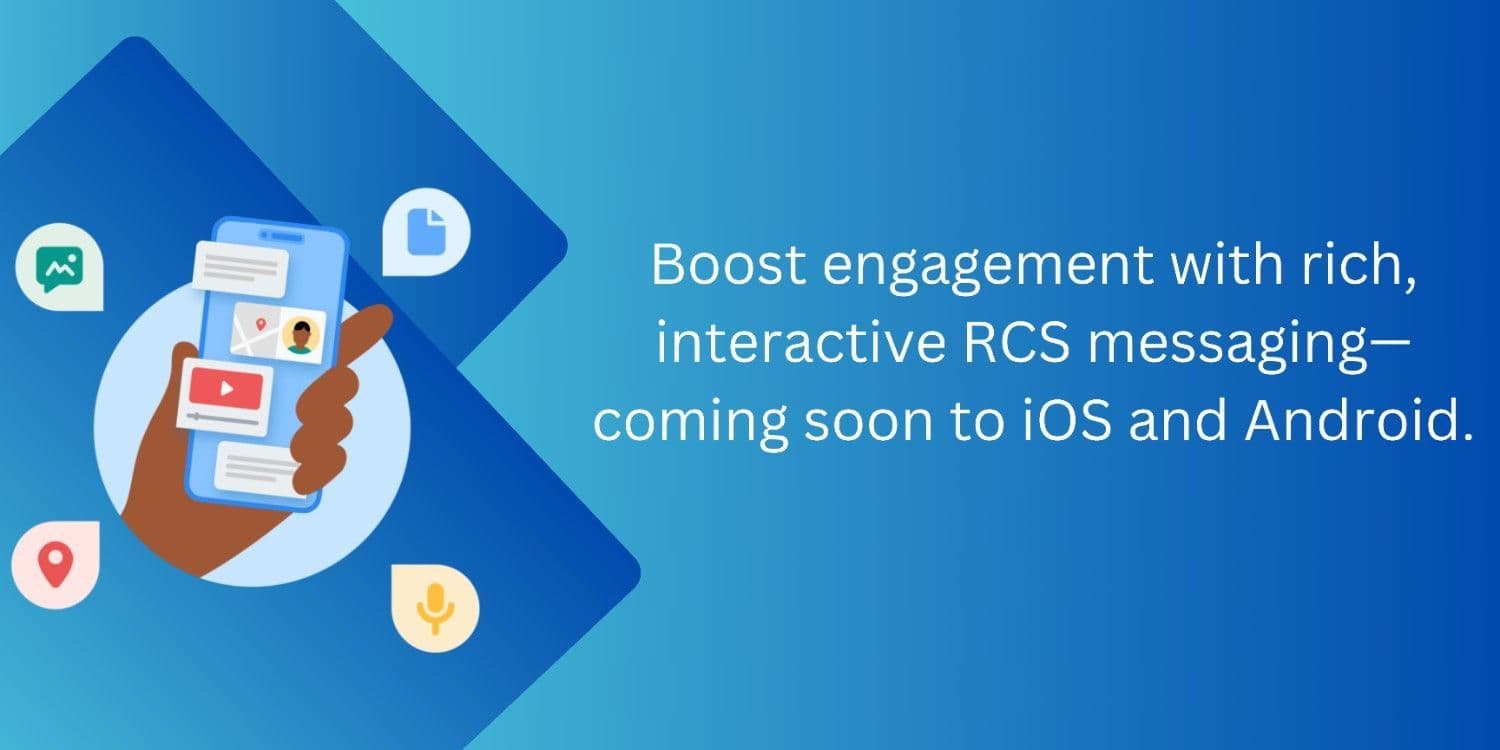
The world of messaging is evolving, and businesses that want to stay ahead need to adapt. While SMS has long been the backbone of mobile communication, Rich Communication Services (RCS) is taking the stage as a more powerful alternative. But what exactly is RCS messaging, and how can it enhance brand engagement for businesses? ## What is RCS Messaging? RCS, or Rich Communication Services, is a next-generation messaging protocol designed for Android users. It’s like SMS but with a lot more. Think of it as Android’s answer to Apple’s iMessage - bringing rich media features like high-quality images, video, read receipts, and more to native messaging apps. [RCS allows businesses to engage](https://blog.pingbix.com/posts/rcs-vs-sms-how-are-they-different) with their customers in real-time through rich, interactive messaging directly from the customer’s default inbox. More than one billion active users have RCS enabled, and its adoption continues to grow. ## Apple’s Adoption of RCS: While Apple doesn’t currently support RCS chats on iOS, at WWDC24 in June 2024, Apple confirmed that RCS messaging will be supported in its Messages app with the iOS 18 update, which is set to launch in fall 2024. This marks a major shift in the messaging landscape, and it means businesses can look forward to unified RCS messaging across both Android and iOS devices. ## How Can RCS Messaging Boost Brand Engagement? ### 1. Engaging and Interactive Messaging RCS takes customer engagement to the next level by allowing businesses to send more than just plain text. Think videos, high-res images, interactive buttons, and carousels - all in one message. Imagine sending a customer an RCS message showcasing a product with an embedded video and a "Buy Now" button. With these features, engagement becomes seamless and immersive. ### 2. Better Customer Trust Through Verification One of the biggest concerns with SMS marketing is spam. Customers want to know if the message is legit. RCS addresses this with verified sender IDs. For your customers, that little blue checkmark means they can [trust the message](https://blog.pingbix.com/posts/build-brand-trust-with-rcs-business-messaging-in-2025) they’ve received. And when customers trust your brand, they’re more likely to engage. ### 3. Real-Time Feedback and Analytics RCS provides real-time feedback on how your messages are performing. You get to know when the message was delivered, when it was read, and how the recipient interacted with it. These built-in analytics offer invaluable insights into your campaigns, helping you refine your strategy and improve engagement. ### 4. Improved Personalization RCS allows you to personalize messages on a whole new level. By using customer data, such as past purchase history or browsing behavior, you can send hyper-targeted messages that feel personalized to the user’s needs. For instance, a customer who has viewed a product but didn’t purchase it could receive an RCS message with a special offer and an easy way to complete the purchase. ### 5. Higher Conversions and Sales Thanks to its rich media and interactive features, RCS has been shown to drive[ higher conversion rates](https://blog.pingbix.com/posts/what-is-rcs-messaging-and-how-can-it-boost-brand-engagement) compared to traditional SMS. The ability to integrate one-tap replies, suggested actions, and embedded payment options means that businesses can make it easy for customers to complete their journey without leaving the messaging app. ## Key Trends in RCS Messaging RCS is shaping up to be more than just a better SMS. Here are a few trends to watch: - **Apple Joins the RCS Revolution**: With the upcoming iOS 18 update, Apple will officially support RCS messaging, creating a unified messaging experience for both Android and iOS users. This broadens the scope for businesses to engage with customers across platforms. - **AI-Driven Personalization**: As RCS integrates with AI, businesses will be able to deliver even more personalized experiences based on customer behavior and preferences. - **Wider Adoption Across Android Devices**: With Google pushing RCS as the default messaging service on Android, its adoption will continue to grow, making it an essential channel for businesses. - **Better Security with End-to-End Encryption**: Customers care about their privacy, and RCS supports end-to-end encryption, adding a layer of trust in business communications. ## Conclusion: Pingbix is Ready for the Future of Messaging At Pingbix, we’re committed to helping businesses leverage the latest in communication technology. With the rise of RCS messaging and its soon-to-be support across iOS and Android, the opportunities for deeper customer engagement are endless. From improving personalization to driving conversions, RCS is the key to the next generation of brand communication. Ready to take your customer communications to the next level? Let Pingbix help you harness the power of RCS messaging.